
Tracking Expenses Without Feeling Overwhelmed
July 10, 2026 • 6 min read
Expense tracking does not have to be stressful. Simple steps like categorizing spending and weekly reviews help you understand where your money goes.
One of the best things you can do to get in better financial condition is to check your expenses. But many individuals avoid it because they think it is difficult, time demanding, or stressful. The good news is that tracking expenses does not have to be complicated. You may take a simple approach and not feel overwhelmed. You can figure out where your money is going. Tracking spending is not about denying yourself purchases or having hard rules. It is about becoming more conscious of your spending habits so you can make smarter financial decisions.
The Importance of Expense Tracking
Many people know how much they make each month, but they are unaware of where all their money is going. Those little expenditures every day can really mount up and make saving or reaching financial objectives more challenging.
Tracking your expenses means you will have a clear picture of where your money is going. This will help to identify areas where you might be overspending and ways you can cut down costs. Tracking expenses can help lessen financial stress as you have a better idea of your budget and can plan ahead better.
Start Small
One of the biggest mistakes individuals make is trying to track everything from the get-go. This can become frustrating soon and they may quit. Rather, start with a simple system. Make a point to write down your key expenses and check them often. With more experience of the technique, you can add more detail if you need to.
Choose a Technique That Works for You
There are many ways to keep track of your costs. The ideal way is the one you can stick to over the long haul. Some people like to use a notebook, some utilize spreadsheets or budgeting software. Select a method that looks simple and handy. If a system seems overly complicated, then you are less likely to use it. The aim is to make tracking expenses the easy part of your routine, not the hard part.
Categorize Expenses
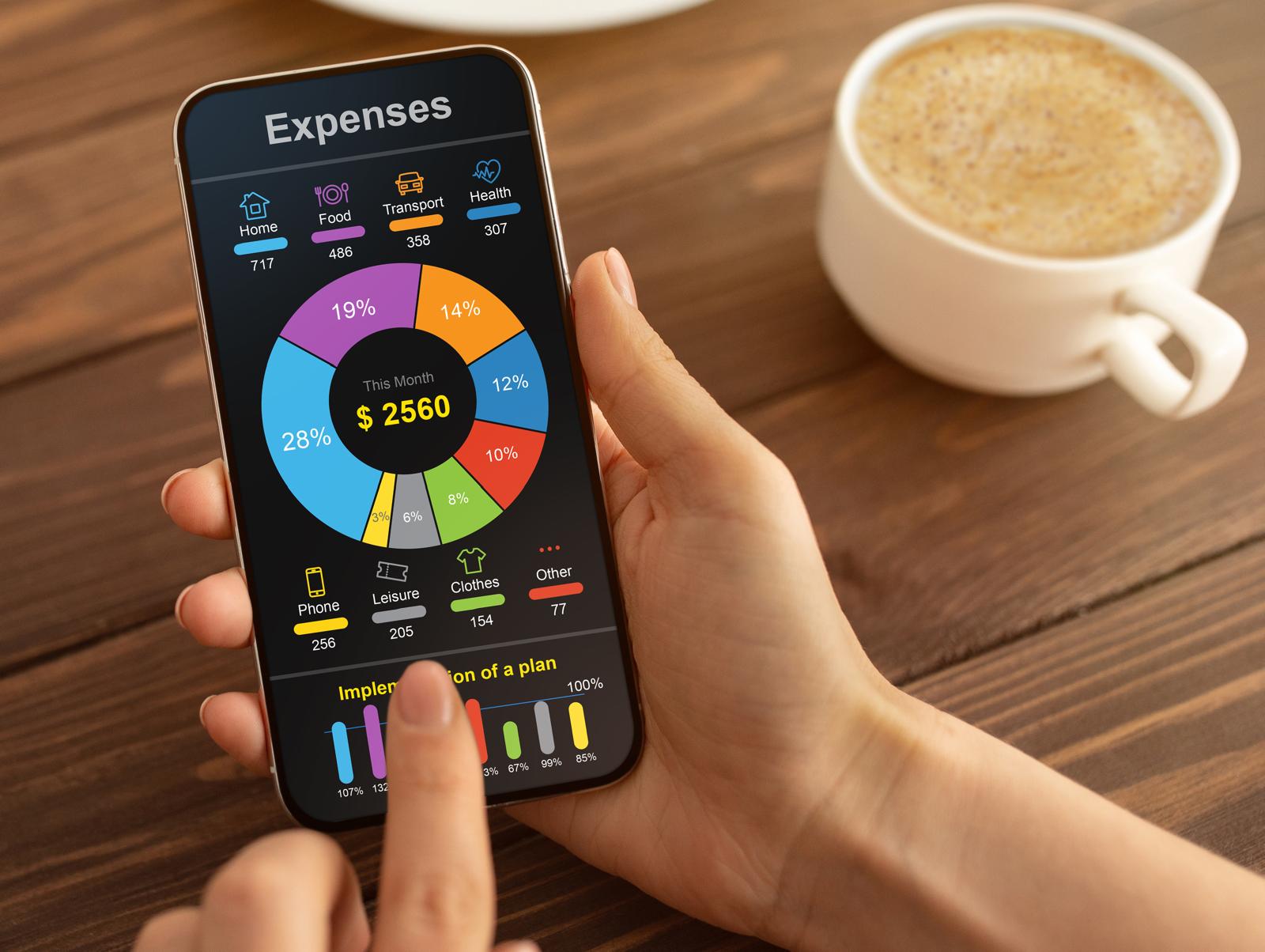
Tracking each and every transaction can be daunting. A simpler way is to group spending into general buckets. For example, you can break out your expenses into categories such as accommodation, transportation, food, entertainment, and personal spending. Grouping expenses allows you to identify where most of your money is going without becoming lost in the minor details. This also helps you identify spending habits faster.
Make Time for Reviews
You do not have to keep looking at your spending all day long. Instead, pick a certain time to examine your spending. A weekly review is often good, as it keeps you in the loop but without the pressure. As you evaluate, take a look at your recent spending and how it compares to your financial goals. Regular reviews keep you on track and help keep the process reasonable.
Strive for Progress, Not Perfection
Many people do not track their costs properly because they overlook a few items or forget to report something. This can make them feel as though they have failed. The truth is expenditure tracking is about understanding your general spending tendencies, not keeping a perfect record. From time to time you might be missing a few entries. The key is to keep monitoring and learning from the information you gather. Even an imperfect system can yield meaningful insight.
Identify Patterns
The main benefit of expenditure tracking is seeing patterns in your spending. Once you start tracking your costs, you may find behaviors that you did not know you had. You might find that certain categories use up more of your budget than you planned. Seeing these patterns can help you figure out where to cut back or put more money toward savings and essential goals.
Keep It Simple
Often, simplicity is better than complexity. If you are tracking spending, it should only help relieve stress, not add to it. Do not create too many categories, and do not spend hours studying every transaction. Keep your eyes on the prize and the small wins. Small consistent improvements might make a big difference in your financial status over time.
Final Thoughts
Keeping up with spending does not have to be intimidating. Begin with tiny steps, stay basic, group your spending, and check them often. You may find it easier to get your finances under control without any added stress. You do not need to be perfect, but you want to have a good idea of what you spend your money on so you can make better financial decisions. A consistent and simple way of tracking expenses can be a powerful asset for financial success over the long haul.