
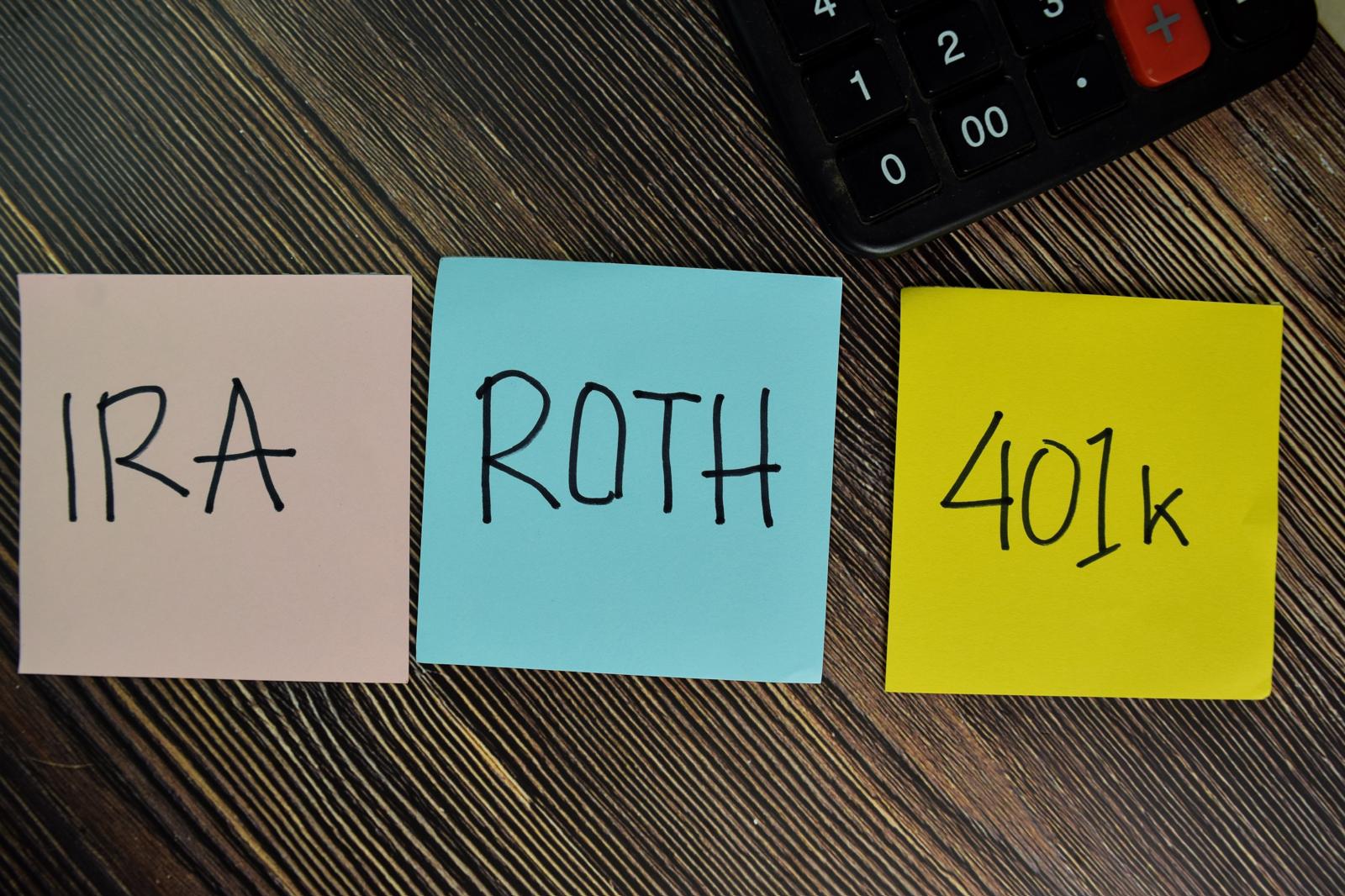
What Is the Difference Between a 401(k) and an IRA?
July 8, 2026 • 6 min read
Both 401(k) plans and IRAs help you save for retirement, but they work differently. Compare employer plans, contribution limits, and tax benefits.
It is crucial to plan your finances for your retirement. The 401(k) and the IRA are two of the most common retirement savings accounts in the United States. Both are intended to help people save money for the future, but in different ways. Knowing the difference between a 401(k) and an IRA will help you decide which is the greatest fit for your financial goals.
What Is a 401(k) Plan?
A 401(k) is a retirement savings plan provided by an employer. Employees can have a percentage of their pay sent straight into the account before they get their paycheck. The 401(k) money can be invested in the many possibilities available in the plan. The account could increase over time through investment returns.
One of the biggest advantages of a 401(k) is that many businesses offer matching contributions. This indicates that the company contributes money to the employee's account based on the employee's contributions. This feature may help speed up retirement savings growth.
What Is an IRA?
An IRA, which stands for Individual Retirement Account, is a retirement savings account that a person sets up on their own. There is no connection to an employer. An IRA lets you save and invest money for retirement on your own. The account holder typically has a wide array of investment possibilities to pick from, depending on the financial institution. An IRA might be a good option for persons without a job retirement plan, or as an alternative means to save for retirement.
Key Differences Between 401(k) and IRA
Both accounts are designed for retirement savings, but there are some major variations between the two.
Employer Involvement
The largest difference is employer involvement. A 401(k) is offered by your employer, while an IRA is opened and handled by you. If you change jobs, your IRA is not affected because it is not tied to any employer.
Setting Up an Account
Usually a 401(k) is set up through an organization's benefits package. Employees can participate if their workplace has a plan. You can start an IRA directly with a bank, brokerage business, or other financial institution without having to go via an employer.
Investment Options
A 401(k) normally has a list of investments chosen by the plan sponsor of the employer. The IRA typically offers more freedom because you can invest in a wider selection of investments. It allows the investor to create a portfolio that suits their own aims and interests.
Contribution Limits
Both accounts have restrictions that limit the amount of money that can be contributed to each per year. In general, you can contribute more to a 401(k) than you can to an IRA in a year. This makes a 401(k) attractive to individuals who wish to save big for retirement.
Employer Contributions
The majority of 401(k) plans include matching contributions by the employer. An IRA is an individual account that is owned and funded by the person. There are no employer contributions. The primary motivation for most workers to participate in a 401(k) is the employer match.
Similarities Between a 401(k) and IRA
These accounts differ, yet they have some essential common aspects. Both are designed to help people save for their retirement. Both provide you the opportunity to invest money to give it the chance to expand over time. They also come with tax benefits that might make investing for retirement even more beneficial.
Also, both accounts are meant for long-term savings. If you withdraw money from your 401(k) before retirement, you might have to pay taxes and/or penalties, depending on the situation.
Which Option Is More Suitable?
There is no one solution because it depends on your financial situation. A 401(k) may be a suitable choice for employees who have access to company matching contributions. Some employers match your contributions to your retirement account — by taking advantage of this, you can enhance your retirement savings without having to add money in yourself.
An IRA might be an excellent option for folks who want more control over their finances or who do not have a company retirement plan. Many people combine the two accounts to maximize their retirement savings and leverage the benefits that each account offers.
Final Thoughts
401(k)s and IRAs are both popular retirement savings vehicles, but they have key differences. A 401(k) is provided by an employer and can contain matching payments from the company, but an IRA is formed and maintained by the person. They also vary in investing options, account setup, and contribution restrictions. This knowledge can help people improve their engagements and build a better retirement savings plan for the future.